
Reducing Clerical errors in Legal Drafting with AI

Introduction:
The increasing adoption of Legal Drafting with AI is reshaping how lawyers approach accuracy, consistency, and efficiency in document preparation. Legal drafting, whether it involves petitions, contracts, or notices, demands precision at every level- from correct citations to structured formatting and coherent legal language. Even minor clerical errors, such as incorrect dates, misplaced clauses, or citation mistakes, can lead to delays, reputational risks, or adverse outcomes. Addressing errors in Legal Drafting with AI has become essential for ensuring precision and reliability in modern legal practice

In recent years, law firms and independent practitioners have begun integrating AI tools into their workflows to address these challenges. Studies indicate that manual legal drafting can have an error rate of up to 20–30% in complex documents, while AI-assisted systems can reduce such errors by over 40% through automated checks and structured drafting support. As a result, Legal Drafting with AI is emerging as a critical support mechanism that enhances accuracy while allowing lawyers to maintain full control over legal reasoning.
The Problem: Clerical Errors in Legal Drafting :
Legal drafting involves repetitive and detail-oriented tasks. Common clerical errors include:
Incorrect case citations
Typographical errors in names or dates
Inconsistent formatting across documents
Missing clauses or incomplete arguments
Misalignment with statutory provisions
These errors are often not due to lack of knowledge but arise from time pressure, high workload, and the repetitive nature of drafting tasks. In large law firms and litigation practices, where multiple drafts are created daily, such errors can accumulate and affect overall efficiency.
How AI Helps Reduce Clerical Errors:
AI systems are designed to process large volumes of legal text and identify inconsistencies that may be overlooked during manual review. The integration of Legal Drafting with AI introduces several layers of error prevention:
1. Automated Proofreading and Formatting
AI tools automatically detect spelling errors, grammatical issues, and formatting inconsistencies, ensuring uniformity across documents.
2. Citation Verification
AI can cross-check case citations and statutory references against legal databases, reducing the risk of incorrect citations.
3. Template-Based Drafting
Predefined templates ensure that essential clauses are included and properly structured.
4. Contextual Suggestions
AI provides suggestions based on the context of the document, improving clarity and completeness.
5. Version Control and Consistency
AI systems help track changes and maintain consistency across multiple drafts of the same document.
Workflow: Legal Drafting with AI:
The following is the demonstrates how AI integrates into the drafting process: Legal Drafting with AI Workflow:
1. Input Information
Case facts
Parties involved
Legal issue
AI Draft Generation
Structured document creation
Clause suggestions
Legal formatting
Error Detection
Citation checks
Grammar & formatting review
Missing clause alerts
4. Review & Refinement
Lawyer validation
Edits and improvements
Compliance verification
5. Final Output
Error-minimized document
Filing-ready format
Client-ready draft
This workflow illustrates how Legal Drafting with AI combines automation with professional oversight to reduce clerical mistakes.
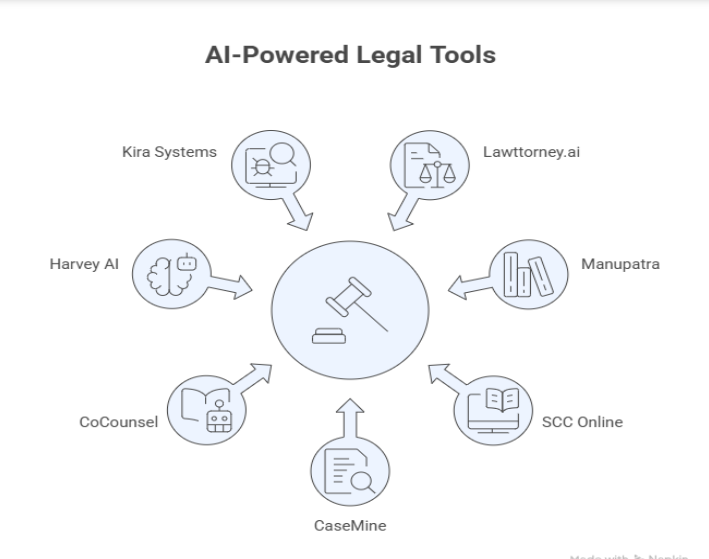
Overview of AI Tools in Legal Drafting:
Sources of Drafting Errors:
Below is a simplified representation of common sources of errors in legal drafting:
Sources of Drafting Errors:
Manual Typing Errors ██████████ 30%
Citation Mistakes ████████ 25%
Formatting Issues ██████ 20%
Missing Clauses █████ 15%
Version Inconsistency ████ 10%
AI tools directly address most of these error categories, significantly improving document quality.
Statistical Impact of AI on Drafting Accuracy:
The adoption of Legal Drafting with AI has shown measurable improvements:
40–60% reduction in drafting time for standard documents
Up to 45% reduction in clerical errors through automated checks
90–95% accuracy in document review tasks using AI-assisted systems
Increased productivity by 30% or more in law firms using AI tools
These figures demonstrate that AI is not only improving efficiency but also enhancing the reliability of legal documents.
Benefits of Reducing Errors in Legal Drafting with AI:
1. Improved Professional Credibility
Error-free documents enhance the lawyer’s credibility before courts and clients.
2. Faster Case Processing
Accurate documents reduce delays caused by corrections and re-filings.
3. Better Client Satisfaction
Clients benefit from faster turnarounds and higher-quality work.
4. Reduced Risk
Minimizing errors reduces the risk of adverse legal consequences.
5. Efficient Team Collaboration
Consistent documents improve coordination within legal teams.
Challenges and Considerations:
While Legal Drafting with AI offers multiple benefits, certain factors must be considered:
AI outputs require professional validation
Confidential data must be handled securely
Lawyers need training to use AI tools effectively
Over-reliance on automation should be avoided
These considerations reinforce the role of AI as a supportive tool rather than a replacement for legal expertise.
Way forward: The Future of Legal Drafting with AI:
The rise of Legal Drafting with AI marks a significant advancement in the legal profession’s pursuit of accuracy and efficiency. By reducing clerical errors, standardizing document structures, and enabling faster drafting, AI tools are helping lawyers deliver higher-quality legal services.
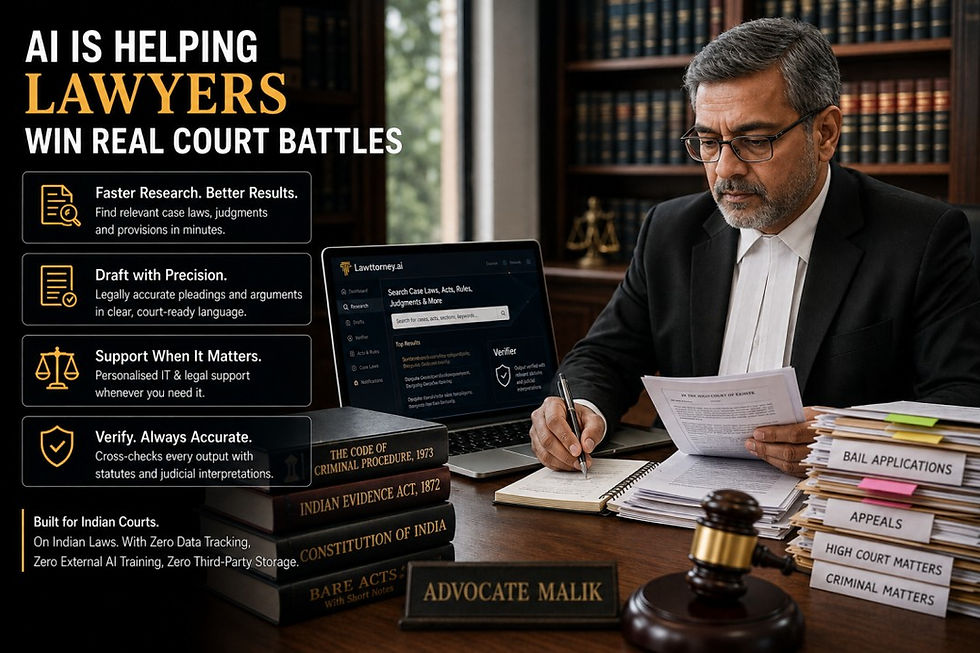
As legal workflows become increasingly complex, the integration of AI will continue to play a crucial role in minimizing human error while preserving the essential role of professional judgement. Platforms like Lawttorney.ai and other AI-enabled systems contribute to this transformation by providing structured, reliable drafting support. Ultimately, the future of legal drafting lies in a balanced approach- where technology enhances precision and lawyers to ensure justice.
Use AI-powered drafting tools today to eliminate errors and elevate the quality of your legal documents.
FAQs
What is Legal Drafting with AI?
It refers to the use of artificial intelligence tools to assist lawyers in drafting legal documents with improved accuracy and efficiency.
How does AI reduce clerical errors?
AI detects spelling mistakes, verifies citations, ensures formatting consistency, and identifies missing clauses.
Is AI reliable for legal drafting?
AI can achieve high accuracy in structured tasks, but all outputs must be reviewed by legal professionals.
Can AI completely eliminate errors?
AI significantly reduces errors but cannot eliminate them entirely; human oversight remains essential.
Which tools are used for AI-based drafting?
Tools such as Lawttorney.ai, Manupatra, SCC Online, CaseMine, and global platforms like CoCounsel support drafting workflows.


Comments